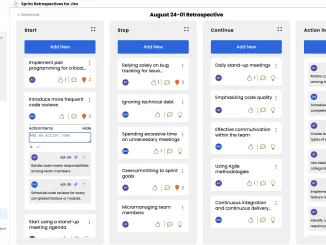
Jira Retrospectives Plugins
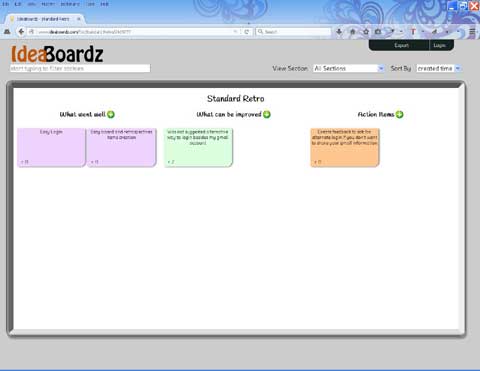
A retrospectives plugin for Jira will add to Jira the Scrum retrospectives features that the Jira does not provide natively. This is especially important for distributed Agile teams.


Tools for Scrum and Agile Project Management
A retrospectives plugin for Jira will add to Jira the Scrum retrospectives features that the Jira does not provide natively. This is especially important for distributed Agile teams.
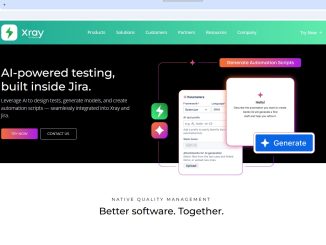
A test management plugin for Jira will add to Jira the testing capabilities that project management tool does not provide natively. The core features of the test management Jira plugins should be to create test plans and test cases, organize them into test cycles, execute them, maintain traceability with Jira issues and provide test execution reports.
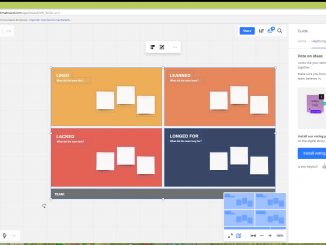
Many Scrum teams are based on a distributed organization where members are in different locations, countries or time zones. How could these Agile teams perform their retrospectives? Some companies have developed online tools that can be used to facilitate retrospectives for distributed Scrum teams that work remotely.
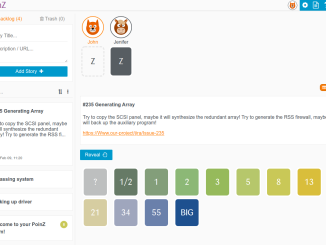
The first thing to say is that the term “Planning Poker®” is a registered trademark of Mountain Goat Software, the Mike Cohn company. This is why this agile planning practice could be sometimes names differently: scrum poker, agile poker, etc. This article presents a list of free and open source planning poker tools and plugins that are also directly available as online tools.
Even if Agile approaches favor collocated teams, distributed Scrum teams with remote work are more common that what you might think. Many Agile software development teams are based on a virtual organization.
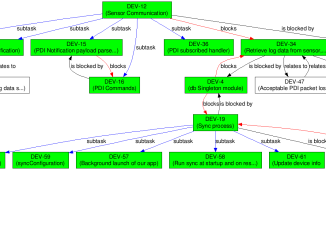
Developed by Atlassian, Jira is a commercial issue tracking tool that allows bug tracking and Agile project management. It is one of the most-widely used tool by Scrum teams working in corporate Agile software development environments.

There are still many open source kanban tools available, contrary to open source projects for Scrum tools that have mostly ended being transformed in a limited offer that supports a main commercial product. The simplicity of the Kanban approach has allowed open source software developers to create and maintain Kanban tools based on various platforms.
Scrum Expert Copyright © 2009-2026 Martinig & Associates