
The Agile Job Seeker
How do you approach a job search with an Agile mind? In this article Mark Haynes discusses how to plan your quest for a new job using the Scrum framework and concepts like sprints or user stories..


People and team member management for Agile project management and Scrum software development teams.
How do you approach a job search with an Agile mind? In this article Mark Haynes discusses how to plan your quest for a new job using the Scrum framework and concepts like sprints or user stories..

I am frequently amused when the same people who believe that it is not possible to get the requirements for a product correct up front, and therefore want to use Scrum for development, will in the next breath explain how they aren’t quite ready to start using Scrum because they haven’t worked out all of the details of their Scrum approach! This type of thinking is poorly aligned with fundamental Scrum principles.

During my software development career, I have seen a good deal of software development approaches or methodologies used in different organizations. When a new and supposedly better approach is promoted, some people tend to adopt it with an attitude that could sometimes be close to a religious zeal.

The notion of coaching is specific to Agile approaches in the software development world. There has always been consultants, but they were seen as a different role. Here are some resources about Agile coaching, starting with some quotes from the Agile Coaching book written by Rachel Davies and Liz Sedley.
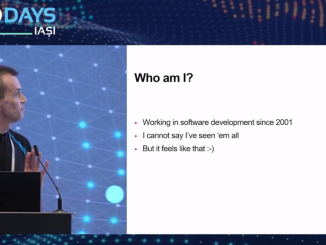
As you advance in your career, your responsibilities evolve from being a junior to a senior, manager, architect, or scrum master. How does this transformation affect your daily duties, and what value do you bring to the team? Can your team function efficiently without you?

How do you get people to work effectively as a team? Instead of reorganizing every two weeks, maybe we should focus on what makes teaming work. Books and blogs focus on psychological safety, communications, trust, personal growth, and a shared purpose.
Sizing an Agile team is not an easy task. In this article, Mark Haynes discusses some of the factors (control, the nature of the work, optimal communications) that will influence the decision for the size of a Scrum team.
Scrum Expert Copyright © 2009-2026 Martinig & Associates