Videos on Scrum and Agile Project Management
Working in software development means everything around us is in a constant state of change. Tools, requirements, process, maybe even team members! When things around you change, do you scream, “Why are we always Changing things?” or “What if we just wait?”.
This presentation demystifies autonomy and self-organization in Scrum teams, exploring their real-world applications and benefits. You will gain the clarity and confidence to explain how autonomous teams function effectively in organizations.
How do you manage the inevitable tension between what stakeholders want, what is needed, and what’s feasible? As Product Managers or Product Owners, we constantly navigate this ‘Triangle of Tension,’ balancing human dynamics with practical constraints.
User stories are the cornerstone of Agile requirements. Scrum teams use them to plan and deliver solutions that meet their users’ needs. Beyond just solution requirements, user stories focus on value delivery from the perspective of the user, describing the capabilities needed, as well as the benefits they would provide.
If you have worked in a legacy codebase or ‘big ball of mud’, you know that it can make development unnecessarily slow, frustrating and costly. The solution, many developers would say, is to just rewrite the whole thing. But good luck getting every stakeholder to agree to such a costly and risky refactoring process.
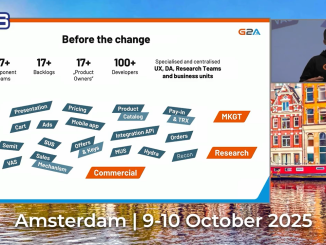
This presentation explains how an organization moved from 17 component backlogs to one shared, results-focused product backlog—and what that changed for delivery speed and alignment.
Twenty years ago, Architecture was murdered in its sleep by Agile, as part of the assassination plot against the arch-enemy Waterfall.