Articles and videos on creating and managing cross-functional Scrum teams: scrum master, product owner and development team.
Learn the experience of large Agile Transformation during turbulent times created by Covid-19. This describes how Scrum Masters changed the way of serving the organization, how you need to modify the approach and strategy of Agile Transformation and how this change impacts Scrum Teams.
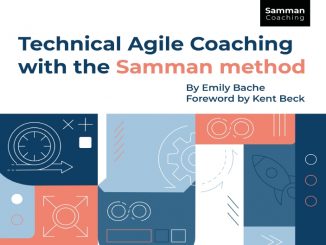
If today many people equal Agile with Scrum, the Agile approach is also deeply rooted in software engineering practices, like pair programming or refactoring, promoted by the eXtreme Programming (XP) movement. In this book, Emily Bache presents the Samman Technical Coaching approach. It is a method for helping software development teams to become more agile and raise the quality of their work.
Agile methods encourage creativity through collaboration, but those ideas, and our responses to others, are filtered through our own perceptions. Most worrisome are the kind of perceptions that we have unknowingly built up and curated over many years, until we are barely aware of them.
Curious about how to build and sustain a remote-first culture? In this presentation, Rachel Davis explains how her team at Tes adapted their engineering practices to support small teams working in close collaboration over distance. With more engineers working from home or travelling than sitting at a desk in the London office, this talk covers how she organizes cross-team initiatives to sustain this way of working.
Startups are blowing established organizations out of the water on a regular basis. How on earth can small agile companies of 1-30 people beat multi-million companies with a lot of money, existing customers and experience? In this presentation, Karianne Berg, who has experience from several startups, shares some simple (but not easy!) tricks of the trade.
As countries navigate the impact of widespread Coronavirus, balancing the health and well-being of employees and Scrum teams with the very real need to keep business functions operating is particularly top of mind for companies large and small. This presentation helps you develop the mindset needed to align remote employees and coordinate multiple Agile teams. Learn how Scrum events coordinate and focus communication, foster transparency and get work to Done.
Scrum of Scrums is a technique used to scale Agile by dividing the groups into Agile teams of 5-10. Each daily scrum within a sub-team ends by designating one member as representative to participate in a daily meeting with ambassadors from other teams, called the Scrum of Scrums. This article provides some tips on how to succeed with Scrum of Scrums.