Articles and videos on creating and managing cross-functional Scrum teams: scrum master, product owner and development team.
When companies transition to Agile, it is not too difficult to find new roles for member of the current software development teams. Finding a place for middle management in the new organization is not so easy and some people even advocates to get rid of them. In this blog post, Em Campbell-Pretty brings her own middle management perspective to this discussion.
One of the technical practices of Agile software development is to support cross-functional teams where members perform multiple activities like requirements, coding and testing. In their book “Being Agile”, Leslie Ekas and Scott Will discusses the difficulties of creating a whole team.
As Agile project management is being widely adopted, the questions of if and how it could scale is a main topic of discussion. In this blog post, Gilt explain how it scales Agile with teams, ingredients, initiatives and KPIs.
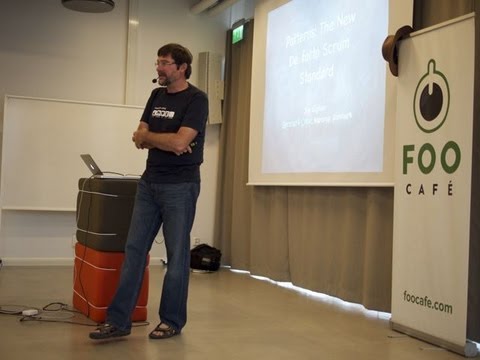
Patterns are the new defacto Scrum standard. In recent years, international Scrum Leadership has been meeting about once a year to write a rationalized foundation for Scrum using Organizational Patterns as a public resource.
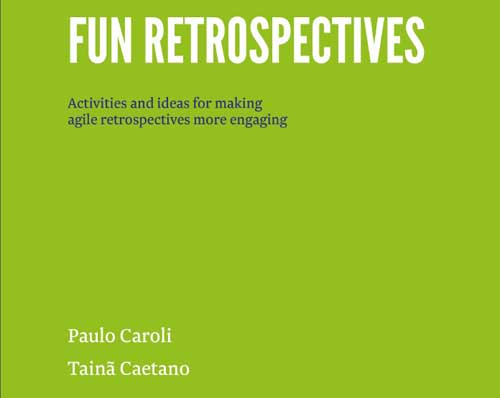
If you are following an Agile approach to project management like Scrum, you should have adopted a continuous improvement practice. Retrospectives are the name of the meeting when the Scrum team makes a pause to think on how to improve its current. Fun Retrospectives is a book that should help you to animate these meetings.
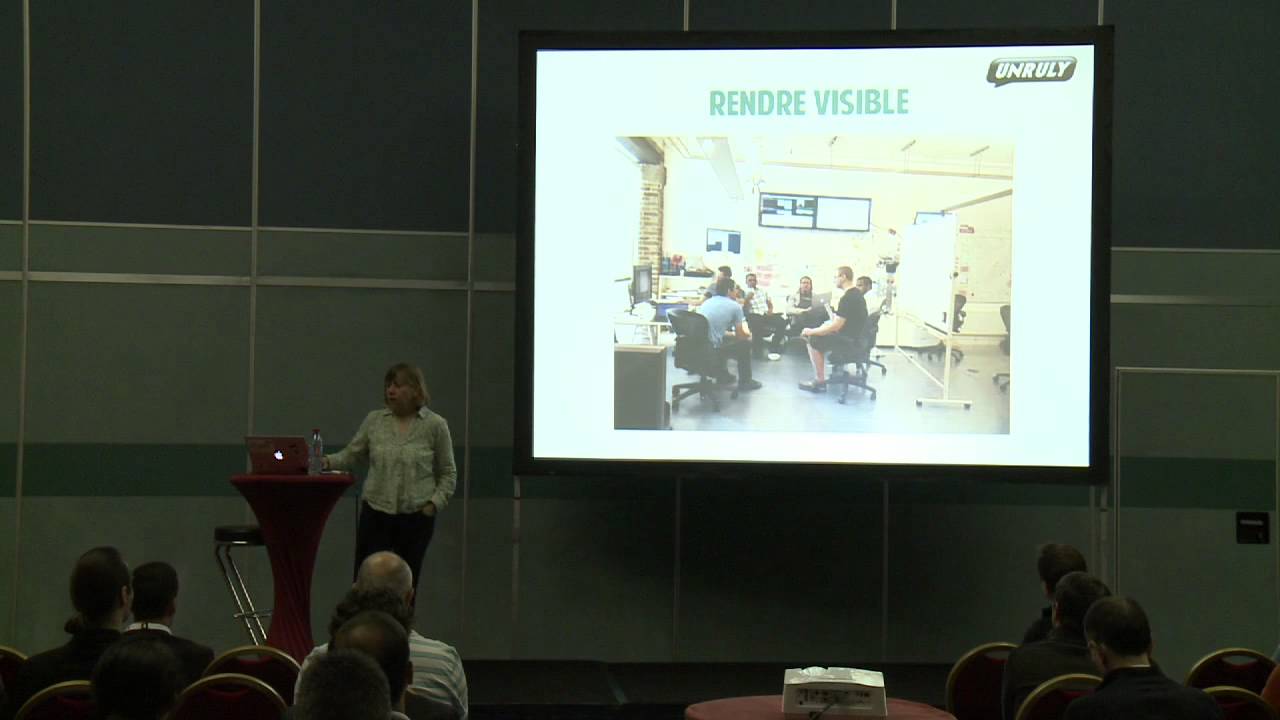
When you come to a Scrum or Agile conference, you pick up new ideas that you’d like to try when you get back to work. However, you may feel like you hit a brick wall when it comes persuading your team to try the idea out. Resistance is very common in organisations large and small.
Do you know situations where the team spirit and/or quality of results were decreasing? This might have been complex situations and maybe it took a lot of time to fix it. But did it change on a long term? I suggest an easy to use way with all team members to get and stay in a continuous improvement loop.