Articles and videos on creating and managing cross-functional Scrum teams: scrum master, product owner and development team.
Even if Agile approaches favor collocated teams, distributed Scrum teams with remote work are more common that what you might think. Many Agile software development teams are based on a virtual organization.
After almost two years of high attention on coding assistants, many software engineering managers are disappointed by the measurable results. Software developers are suffering from hype fatigue, even the ones who have learned to love their new AI teammate.
How do you get people to work effectively as a team? Instead of reorganizing every two weeks, maybe we should focus on what makes teaming work. Books and blogs focus on psychological safety, communications, trust, personal growth, and a shared purpose.
Sizing an Agile team is not an easy task. In this article, Mark Haynes discusses some of the factors (control, the nature of the work, optimal communications) that will influence the decision for the size of a Scrum team.
Agile approaches like Scrum recommend a “just enough” attitude in software development and this is also the case when you discuss tools. Ideally, you would work with a small team that is collocated, but this is not always possible and you might be running your project virtually with a distributed Scrum team scattered around the world.
This presentation explores the challenges and opportunities of transitioning from Component Teams to cross-functional Feature Teams, examining the dynamics of unchanged individual functional roles and considering both short and long-term development strategies.
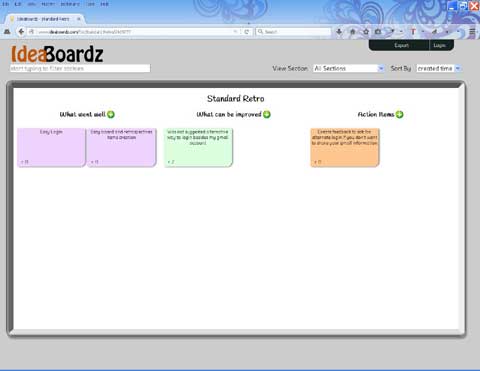
Agile retrospectives are a cornerstone of continuous improvement, enabling teams to reflect, adapt, and enhance their processes. Whether you call it a Sprint Retrospective, Iteration Retrospective, or Team Retrospective, the goal remains the same-identify what’s working, what’s not, and how to improve.