Videos on Scrum and Agile Project Management
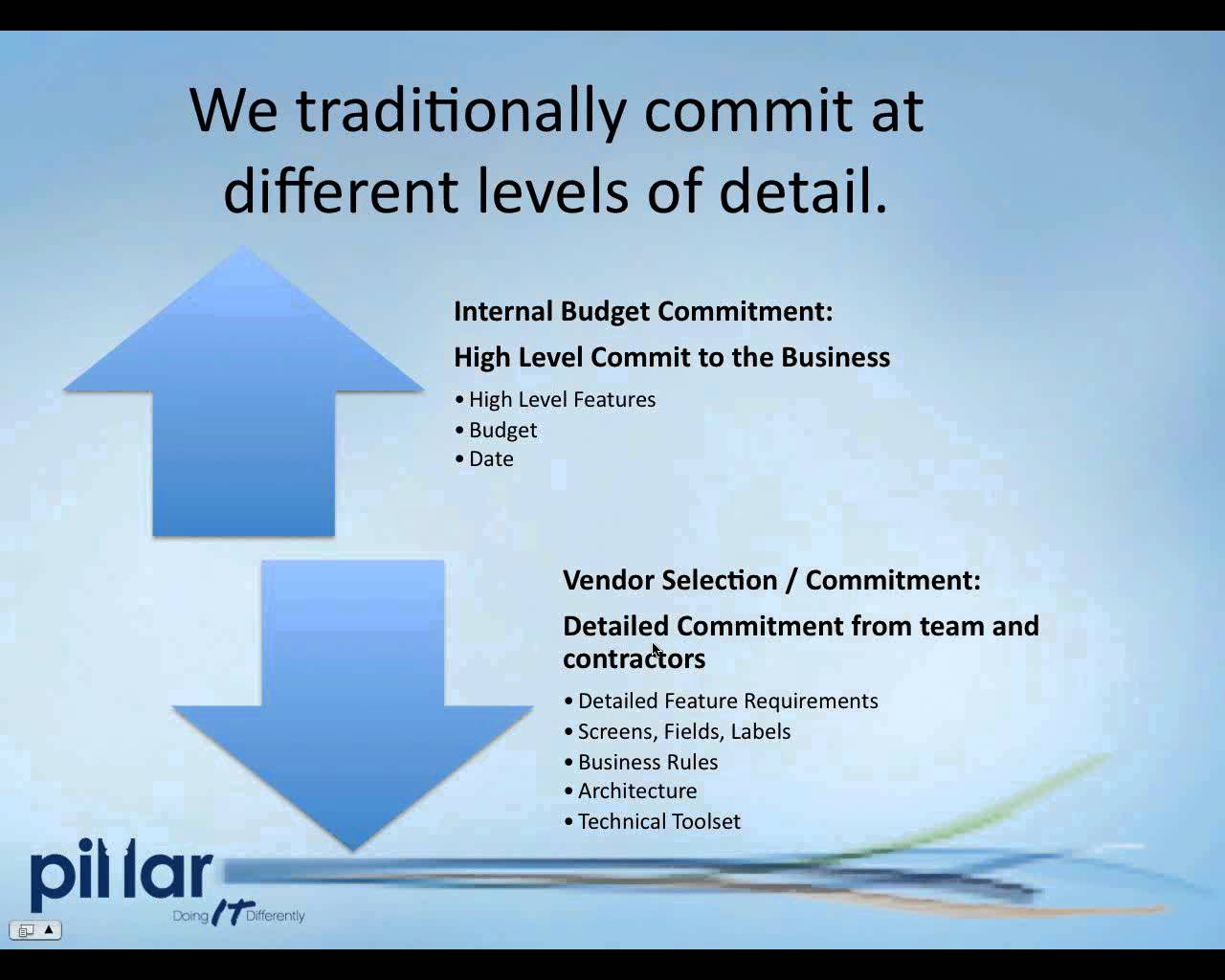
How do agile projects accurately forecast their budget when they are typically just a bunch of hippies coding without requirements or documentation? Waterfall projects are obviously much better at budgeting with all of the traditional up front design and planning, right? Anyone who has been on a waterfall project can see that this is a complete fallacy.
It would be so easy if everyone at our companies just used Scrum or at least Agile. No one would lean on the team for dates and deadlines, and everyone would know that change is a good thing. It’d be one great big happy project management family. But let’s face it: an all-Agile organization isn’t always possible.
Learn how to achieve multiple team collaboration in large scale software development projects. Self-organization is a key concept for all Lean-Agile methods. However, as projects expand across the enterprise and, more specifically, cut across multiple teams, teams clearly can’t just organize in any way they want to. A blend of top-down direction with bottom-up self organization is needed. Lean provides the insights necessary for teams to self-organize within the context of the value stream within which the teams work. A top-down perspective, created by driving from business value, can provide insights on how teams must organize and work together.
We would like solutions delivered fast without compromising quality, user experience, implicit requirements and non-functional aspects such as scalability and performance. This would have been easier, if we had all the time in the universe. Doing this in a sustainable manner becomes a huge challenge for teams as there are multiple competing forces at play and because software development is very complex.
Microsoft uses Scrum internally as most Agile teams do. Take a serious look at this framework for managing complex projects, such as software development. This video shows how to implement Scrum in Team Foundation Server (TFS) using the Visual Studio Scrum template, new Agile project management tools and related best practices. We create and manage a product backlog, forecast and plan our work for a Sprint and manage our Sprint tasks using the new tools in TFS.
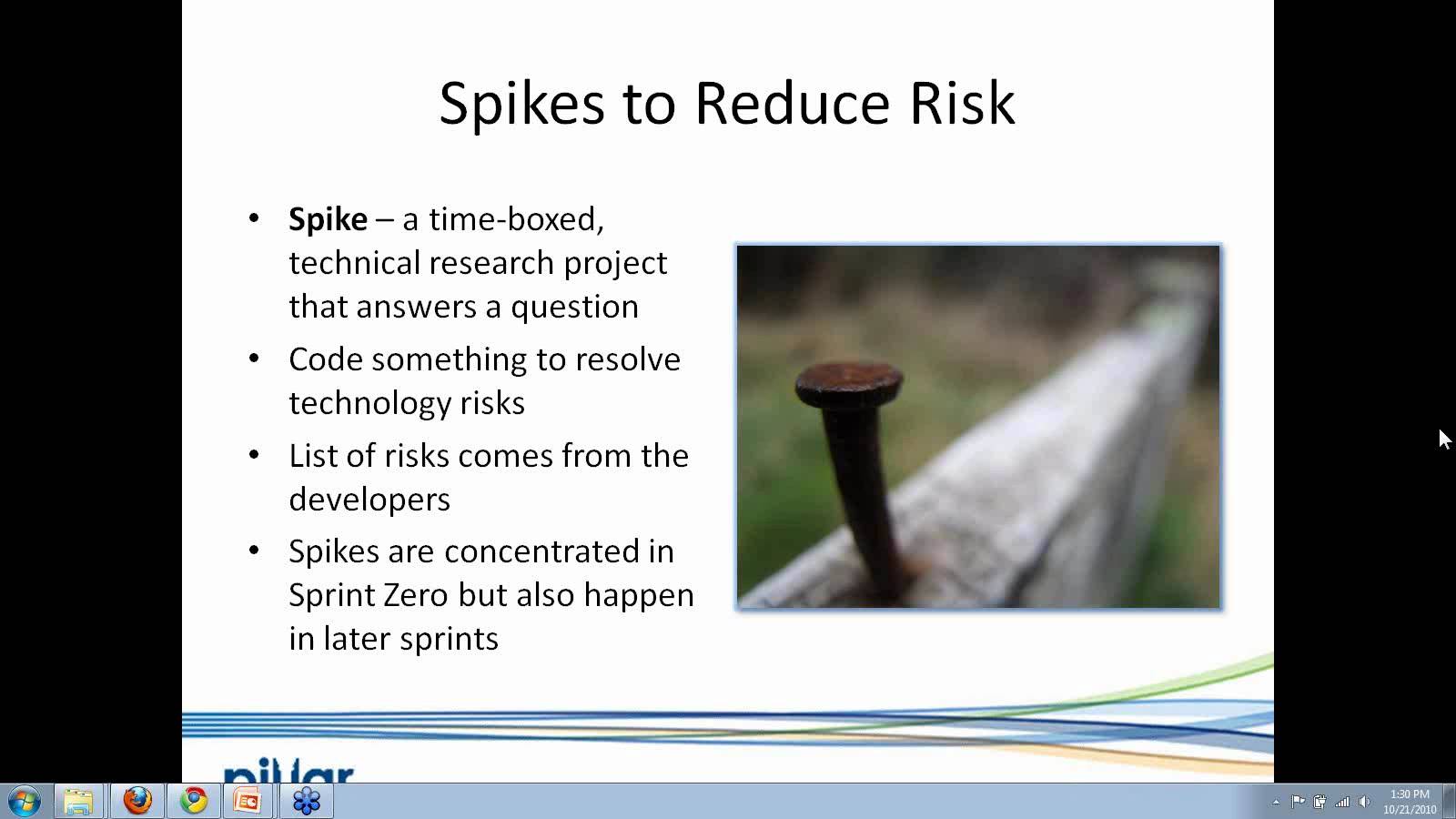
When you explain the iterative/incremental nature of Agile, most people coming from a waterfall lifecycle say “What? No up-front planning at all?” Some Agile coaches would glibly say yes, but the truth is more complex. Sprint Zero is an Agile term for a time-boxed amount of up-front planning. During Sprint Zero, you identify value stories, get a decent backlog of user stories and you do some architectural proof-of-concepts. The trick is to balance between insufficient planning and analysis paralysis.
Are you using Scrum? Can you do better? This video examines essential coaching strategies and techniques for improving your Scrum Teams and how to take the first step in igniting change. It walks you through ways to coach change and most importantly ways to sustain this change and make a lasting impact.