Videos on Scrum and Agile Project Management
Distributing Scrum projects isn’t easy. Agile values encourage face-to-face communication and frequent feedback between team members. But for those who seek the benefits of Agile – frequent releases, less waste, high emphasis on value – on larger, more complex projects, this video presents some technical practices that help retain the spirit of co-location in a distributed environment.
In 10 years since the signing of the Agile Manifesto we’ve seen some notable successes, half-way efforts, fragile, scrum-but and just plain #FAIL. We tried to adopt agile methods to solve all types of problems, and many of those problems persist. What are the most common failure modes? How can organizations avoid falling into those failing patterns?
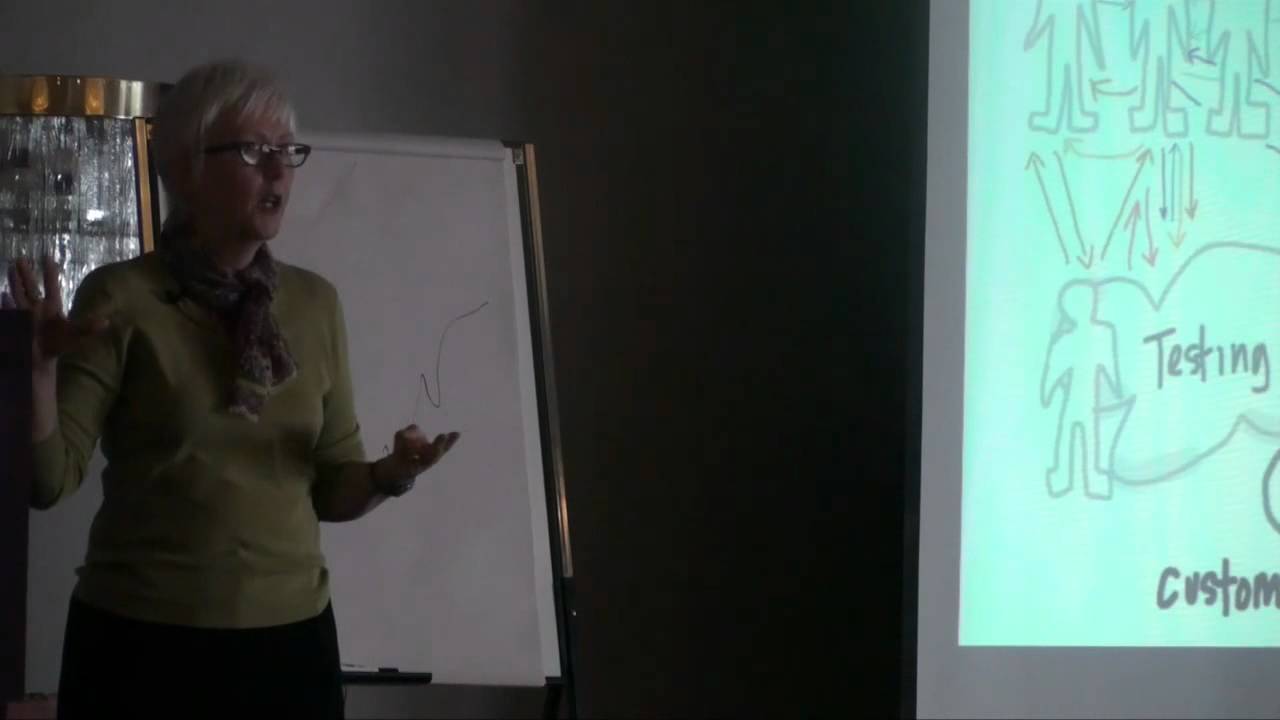
Many organisations operate in highly regulated environments, such as healthcare, have concluded that in order to achieve the next level of product quality and safety improvements, not to mention enhanced competitiveness, adoption of a more Agile approach is required. In this presentation, you will learn how the Agile software development approach for high assurance systems addresses many of the challenges found in many highly regulated enterprise environments.
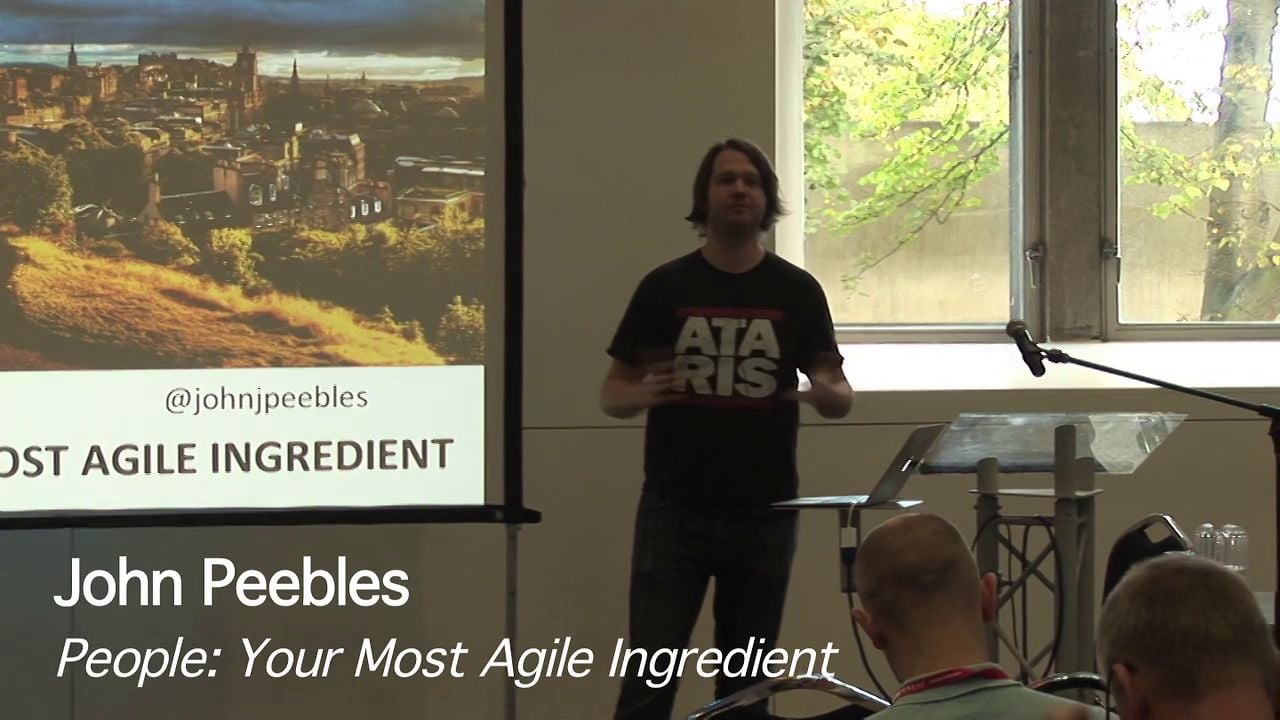
In Agile and Scrum, we spend a lot of time talking about how to better manage software development teams using processes, methods, prescriptions and other rules of thumb. We spend very little time talking about the largest and most important ingredient of any agile team: the team and people themselves
Just imagine that you come to a different country and get a team of consultants with whom you need to do their first Scrum implementation project. On top of that, you are not managing the communication with the client, as you are only a sub-contractor. Not enough? You don’t speak official project language, which makes communication with the client VERY difficult. Want to know how it goes so far?
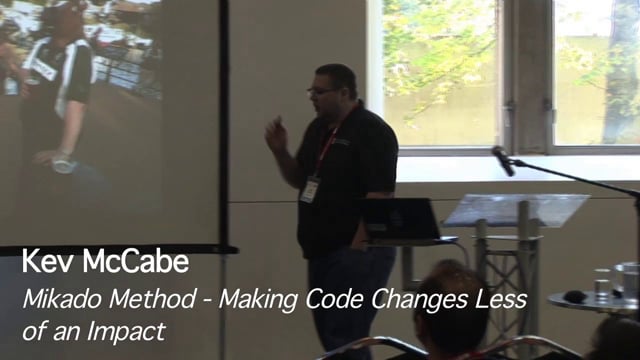
The Mikado Method is a simple straight forward methodology for large scale refactoring. We’ve all been there; tasked with a change, which as optimistic developers we say won’t take us long, weeks later we’re still fighting the system. Enter the Mikado Method, a way to peel the layers of complexity away from any system. Systematically attack refactoring, in the knowledge that every change you make will be for the better of the system, rather than hoping it will be.
Runners find that they can go faster with a lower perceived effort when they exercise in a pack. The same thing happens when our software teams gel, and when our management teams decide to work together for mutual benefit. We are, by nature, social beings—but culture teaches us to hold back and avoid deep connection.