Videos on Scrum and Agile Project Management
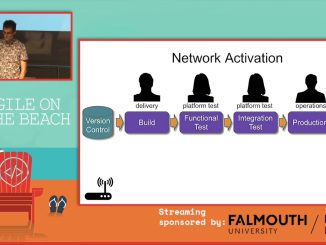
How should you actually implement Continuous Delivery in Scrum projects? This video explains how easy it is for a Continuous Delivery implementation to be unsuccessful, how the Theory Of Constraints works, how to apply the Five Focussing Steps to Continuous Delivery, and how to home in on the constrained activities that are your keys to success.
This presentation explain the difference between the two terms effectiveness and efficiency and show how focusing on the latter in Agile can lead to multiple bad consequences that you will probably recognize from organizations in your field.
This presentation explains how easily obtained version-control data lets you uncover the behavior and patterns of the development organization and manage technical debt. This language-neutral approach lets you prioritize the parts of your system that benefit the most from improvements so that you can balance short- and long-term goals guided by data.
While it is true to say that people’s attitudes and beliefs are key to implementing an agile project, or Agile in itself, much of the use of the term ‘mindset’ implies a mental model that can be defined and engineered.
For a long time Spotify people have tried to convince the world that there is no “Spotify Model” and if there ever was one, Spotify isn’t using it anyway and you shouldn’t either. And yet, countless organizations are using the Spotify model to drive their Agile transformations and scale Agile, some of them claiming huge successes.
Getting Agile working at a team level is relatively straightforward. Overcoming challenges at scale is more difficult. In this video, two experts discuss using SAFe, Scrum@Scale, and LeSS to improve your organizational agility.
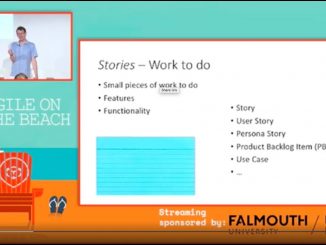
Business value, business value, business value. This presentation from Allan Kelly explores how to put a value on stories in a backlog while uncovering new requirements, elaborating specifications and valuable opportunities.