Articles, Blog Posts, Books and Quotes on Agile Project Management
In today’s fast-paced sports industry, success depends on far more than the raw talent of athletes. Increasingly, the difference between a team that merely competes and one that dominates lies in its ability to adapt, innovate, and manage operations efficiently.
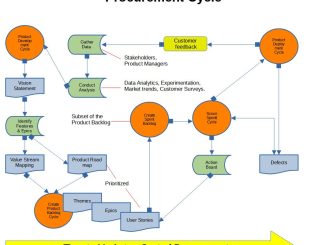
Why are we only concerned with processes associated with the Scrum Sprint? This is one of many workflows for provisioning work. Simply following Scrum protocols isn’t sufficient to embrace an Agile mindset. Your team needs to build a seamless, and simplified provisioning process.
Agile teams thrive on continuous improvement, and retrospectives are a key practice that enables teams to refine their processes after every sprint. These structured meetings provide a dedicated space for teams to reflect, identify opportunities for improvement, and implement changes that drive efficiency and collaboration.
Agile retrospectives are a cornerstone of continuous improvement, enabling teams to reflect, adapt, and enhance their processes. Whether you call it a Sprint Retrospective, Iteration Retrospective, or Team Retrospective, the goal remains the same-identify what’s working, what’s not, and how to improve.
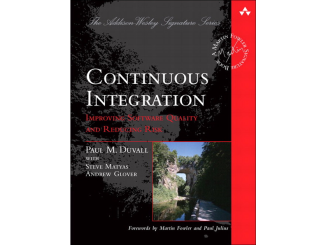
As a software developer, you know that one of the critical period in a project is when you try to make integrate your code in the overall application and push it towards the final user. It is sometimes a long process that you would like to accelerate so that you could obtain a quicker feedback on the quality of your code.
Implementing Agile and Scrum in software development organization means a big change. In her book “The Great ScrumMaster“, the Agile coach Zuzana Šochová recommends an eight steps journey for a successful transformation to the Scrum approach.
One of the key element of Agile Software Development approaches like Scrum is to emphasize delivering quickly business value over having a long-term rigid plan. In his book “Project Myopia”, Allan Kelly discusses the issue of identifying and delivering value.