
Agile Coach Camp, New York, USA, April 28-30 2017
The Agile Coach Camp is a three-day conference about Agile Coaching run by agile coaches for agile coaches based on peer-to-peer learning and exploration in an OpenSpace setting.


The Agile Coach Camp is a three-day conference about Agile Coaching run by agile coaches for agile coaches based on peer-to-peer learning and exploration in an OpenSpace setting.
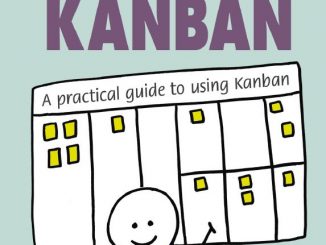
If Scrum is the king of the Agile software development frameworks, Kanban can be defined as a distant cousin. We know that there are some connections through this Lean parents, but we don’t always known what it looks like exactly and when to use it. If you want to have a clear and quick (60 pages) understanding of what Kanban is, then this Kanban Workbook is for you.
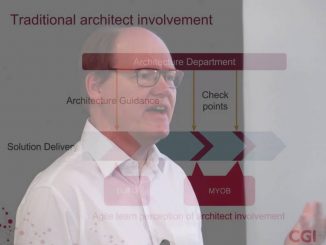
In the Agile world, software architecture is about making design decisions with just enough anticipation. Too much anticipation leads to overly heavy architectural constructs that may never be used (YAGNI); too little anticipation leads to expensive refactoring and potentially fatal build-up of technical debt. This session presents an approach for Agile architecture roadmapping with just enough anticipation.

When do you need to stop coaching an Agile team? In his blog post “An Exit Strategy for the Agile Coach”, Len Lagestee discusses this question and explains how he will gradually work to be ready to leave and let the Scrum team be ready to carry the Agile values on its own.
Learn how to succeed with large scale Agile. Implementing Agile in small, short lived projects is easy. The real challenge comes when the project becomes long-running, and it gets even harder when spanning into multiple large projects. Add the challenge of distribution of resources and different cultures and it becomes almost impossible.
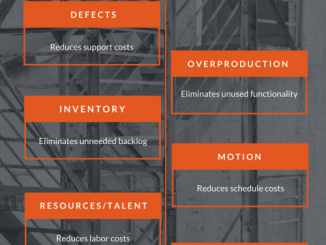
Like the notion of technical debt, the concept of management debt relates to the leadership issues that prevent a successful Agile transformation. This article from Agile transformation expert Sriram Rajagopalan discusses the types of waste that can be eliminated using a Kanban approach and the role of management debt in perpetuating wasteful practices.

Learn which building blocks help you to create the culture of systematic improvement in a software development organization and a Scrum team. This talk discusses how the Deming cycle – Plan-Do-Check-Act has been applied concretely in an R&D organization to ensure that the operational development is done systematically. The practices have been evolving during couple of years and the talk will also share the lessons learned from this journey.
Scrum Expert Copyright © 2009-2026 Martinig & Associates